From Promise to Manifestation: Retreat for Spiritual Growth
- mrsapril73
- Jul 7
- 4 min read
In a world filled with distractions and constant noise, the quest for spiritual growth has never been more essential. Many individuals find themselves yearning for deeper connections, both with themselves and the universe. A retreat focused on spiritual growth offers a unique opportunity to step away from daily routines and immerse oneself in a transformative experience. This blog post explores how such retreats can turn promises of personal development into tangible manifestations of growth.

Understanding Spiritual Growth
Spiritual growth is a personal journey that involves the development of one's inner self. It encompasses various aspects, including emotional, mental, and spiritual well-being. Here are some key components of spiritual growth:
Self-awareness: Understanding your thoughts, feelings, and behaviors.
Connection: Building relationships with others and the universe.
Purpose: Discovering what drives you and gives your life meaning.
Mindfulness: Practicing presence and awareness in daily life.
The Importance of Retreats
Retreats provide a structured environment that fosters spiritual growth. They offer a break from the chaos of everyday life, allowing individuals to focus on their inner journey. Here are some reasons why retreats are beneficial:
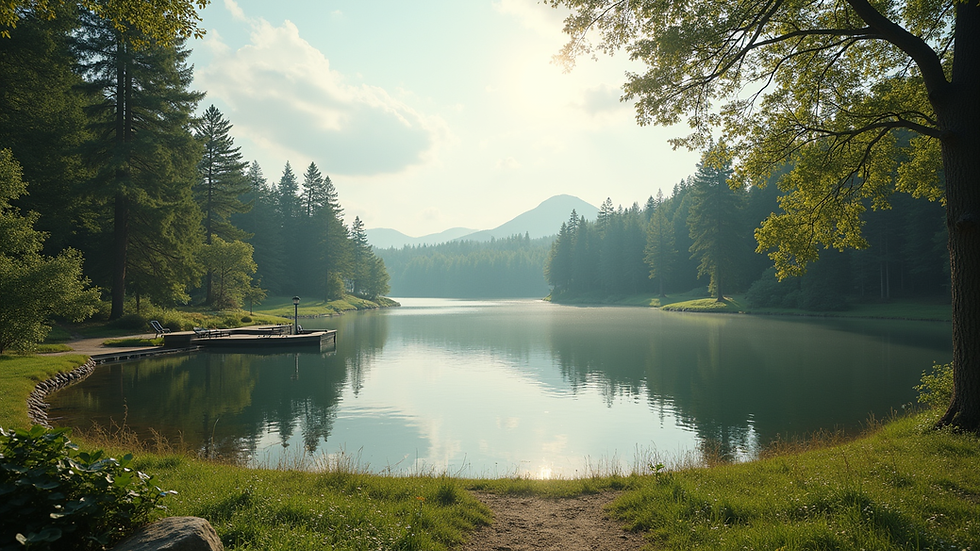
Disconnection from daily distractions: Retreats often take place in serene locations, free from the usual noise and interruptions.
Guided practices: Many retreats include workshops, meditation sessions, and group discussions led by experienced facilitators.
Community support: Participants often form deep connections with like-minded individuals, creating a supportive environment for growth.
Types of Spiritual Retreats
There are various types of retreats, each catering to different needs and preferences. Here are a few popular options:
Silent Retreats
Silent retreats emphasize the practice of silence, allowing participants to turn inward and reflect. These retreats often include meditation, yoga, and nature walks. The absence of conversation encourages deep introspection and self-discovery.
Nature Retreats
Nature retreats focus on the healing power of the natural world. Participants engage in outdoor activities, such as hiking or gardening, while also participating in spiritual practices. The connection to nature can enhance feelings of peace and grounding.
Yoga and Meditation Retreats
These retreats combine physical movement with mindfulness practices. Participants engage in daily yoga sessions, meditation, and workshops that explore spiritual themes. This holistic approach nurtures both the body and spirit.
Creative Retreats
Creative retreats encourage self-expression through art, writing, or music. Participants explore their creativity while also engaging in spiritual practices. This type of retreat can help individuals connect with their inner selves in a unique way.
Preparing for Your Retreat
Preparation is key to maximizing the benefits of a spiritual retreat. Here are some steps to consider before embarking on your journey:
Set Intentions
Before attending a retreat, take time to reflect on your goals. What do you hope to achieve? Setting clear intentions can guide your experience and help you stay focused.
Research Retreat Options
Explore different retreats to find one that aligns with your interests and needs. Consider factors such as location, duration, and the types of activities offered.
Pack Mindfully
Bring items that support your spiritual journey, such as journals, comfortable clothing, and any personal items that hold significance. Packing mindfully can enhance your experience.
What to Expect During the Retreat
Understanding what to expect can help ease any anxiety about attending a retreat. Here are some common elements you may encounter:
Daily Schedule
Most retreats follow a structured daily schedule that includes a mix of activities. Expect to participate in meditation, yoga, workshops, and group discussions.
Group Dynamics
Retreats often foster a sense of community. You may find yourself sharing experiences and insights with fellow participants, creating a supportive environment for growth.
Personal Reflection
Time for personal reflection is crucial. Many retreats allocate time for journaling or quiet contemplation, allowing you to process your experiences.
Turning Promises into Manifestations
The ultimate goal of attending a spiritual retreat is to turn promises of growth into real-life manifestations. Here are some strategies to help you achieve this:
Integrate Practices into Daily Life
After the retreat, continue the practices you learned. Whether it's meditation, yoga, or journaling, integrating these activities into your routine can help maintain your spiritual growth.
Stay Connected with Fellow Participants
Building relationships during the retreat can provide ongoing support. Consider forming a group to share experiences and hold each other accountable for your growth.
Reflect on Your Journey
Regularly take time to reflect on your progress. Journaling can be a powerful tool for tracking your growth and identifying areas for further development.
Overcoming Challenges
While retreats can be transformative, challenges may arise. Here are some common obstacles and how to address them:
Resistance to Change
Change can be uncomfortable. Acknowledge your feelings and remind yourself of your intentions. Embrace the discomfort as part of the growth process.
Re-entry into Daily Life
Returning to everyday life can feel overwhelming. Create a plan for re-integrating your new practices and insights into your routine.
Maintaining Motivation
Staying motivated after the retreat can be challenging. Set small, achievable goals to keep your momentum going and celebrate your progress along the way.
Conclusion
Spiritual retreats offer a unique opportunity to embark on a journey of self-discovery and growth. By stepping away from daily distractions and immersing yourself in a supportive environment, you can turn promises of personal development into tangible manifestations. Embrace the experience, integrate what you learn, and continue your journey long after the retreat ends. Your path to spiritual growth is waiting—take the first step today.

Comments